Start Here
Need help deciding?
Call Admissions at (201) 457-1121
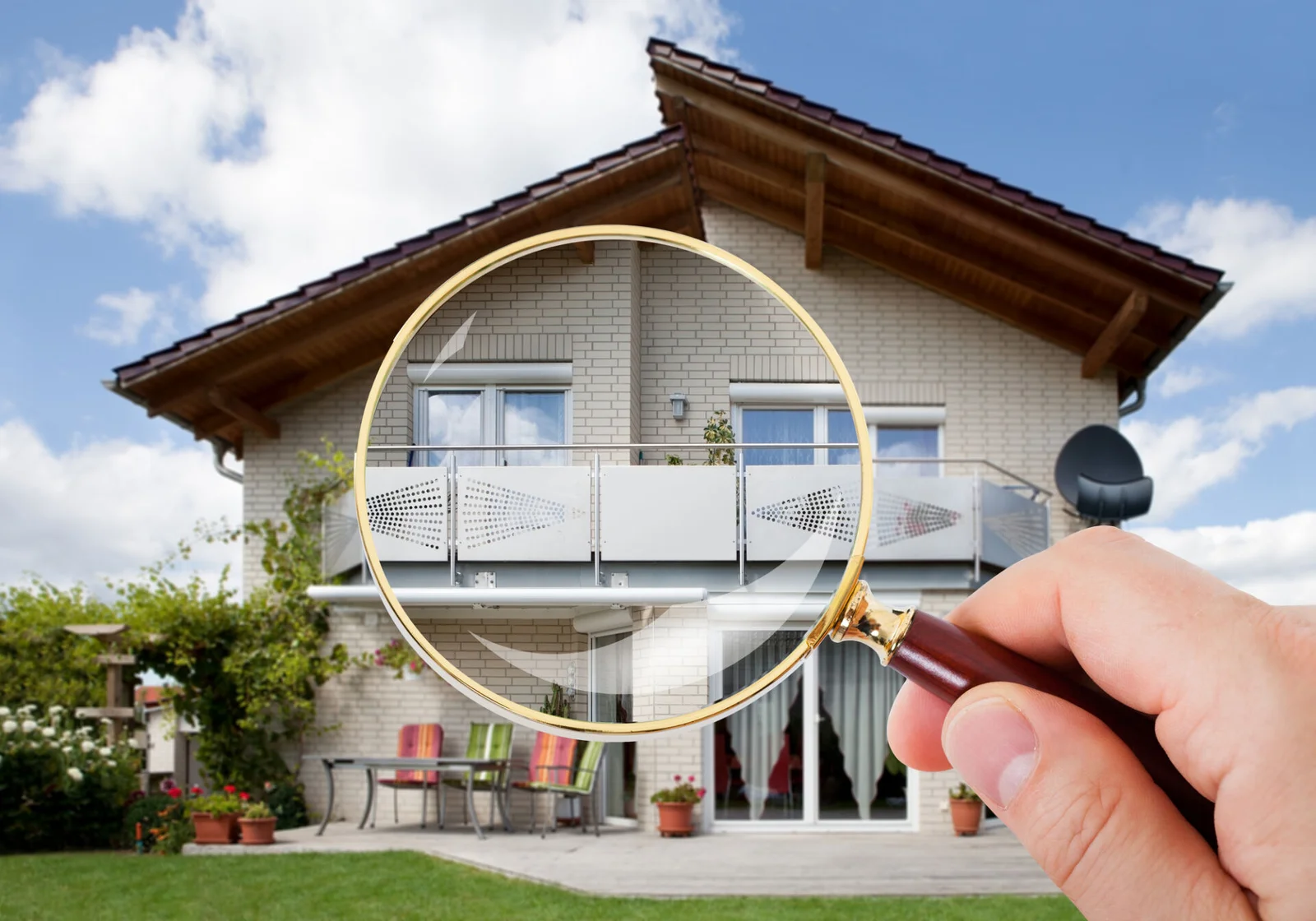
Learn how home inspectors evaluate building systems, identify safety concerns, and document findings in professional inspection reports.
The Inspection21 curriculum prepares students for real-world inspections and the path toward becoming a licensed home inspector in New Jersey.
Admissions / Main Line: (201) 457-1121
Becoming a licensed home inspector in New Jersey typically involves three steps: completing approved classroom training, participating in supervised field inspections, and passing the National Home Inspector Examination (NHIE).
The Inspection21 program includes both the classroom curriculum and the 40-hour supervised field training externship, helping students progress through the required steps toward New Jersey home inspector licensure.
The Inspection21 curriculum is designed to prepare students for the real work of home inspection in New Jersey. Training focuses on how inspectors evaluate residential systems, identify safety concerns, and document findings clearly in professional inspection reports.
The modules below organize the major inspection systems typically evaluated during residential home inspections.
The Building Systems modules focus on the core structural and exterior components of a residential property. Students learn how to evaluate condition, performance, and safety across the major systems that make up the physical structure of a home. Each module reinforces professional inspection methods and clear report writing standards used in the field.
Module Code: I-21-101-I
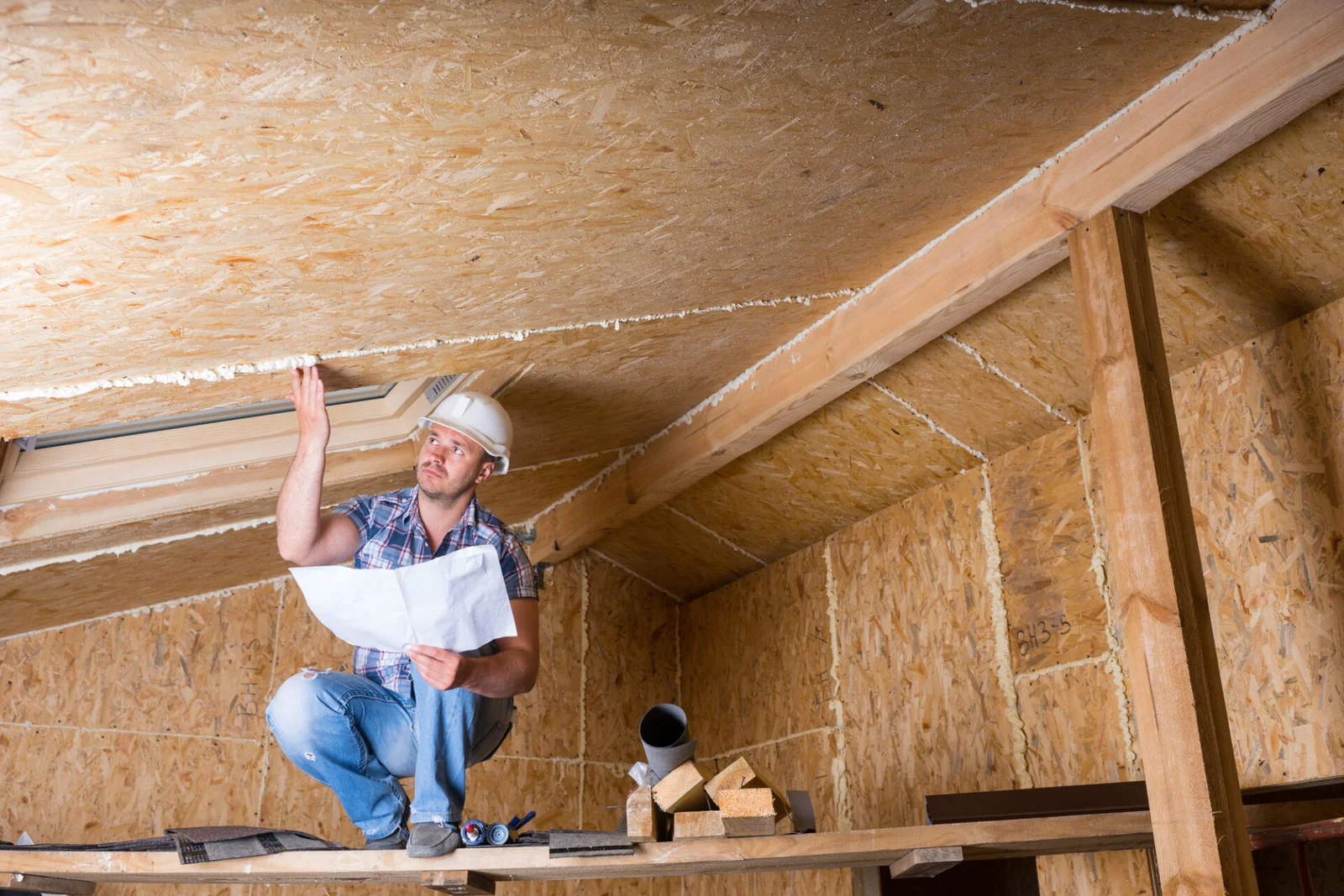
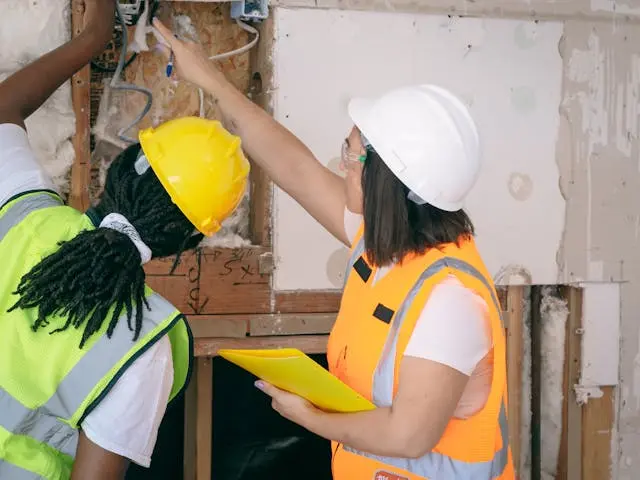
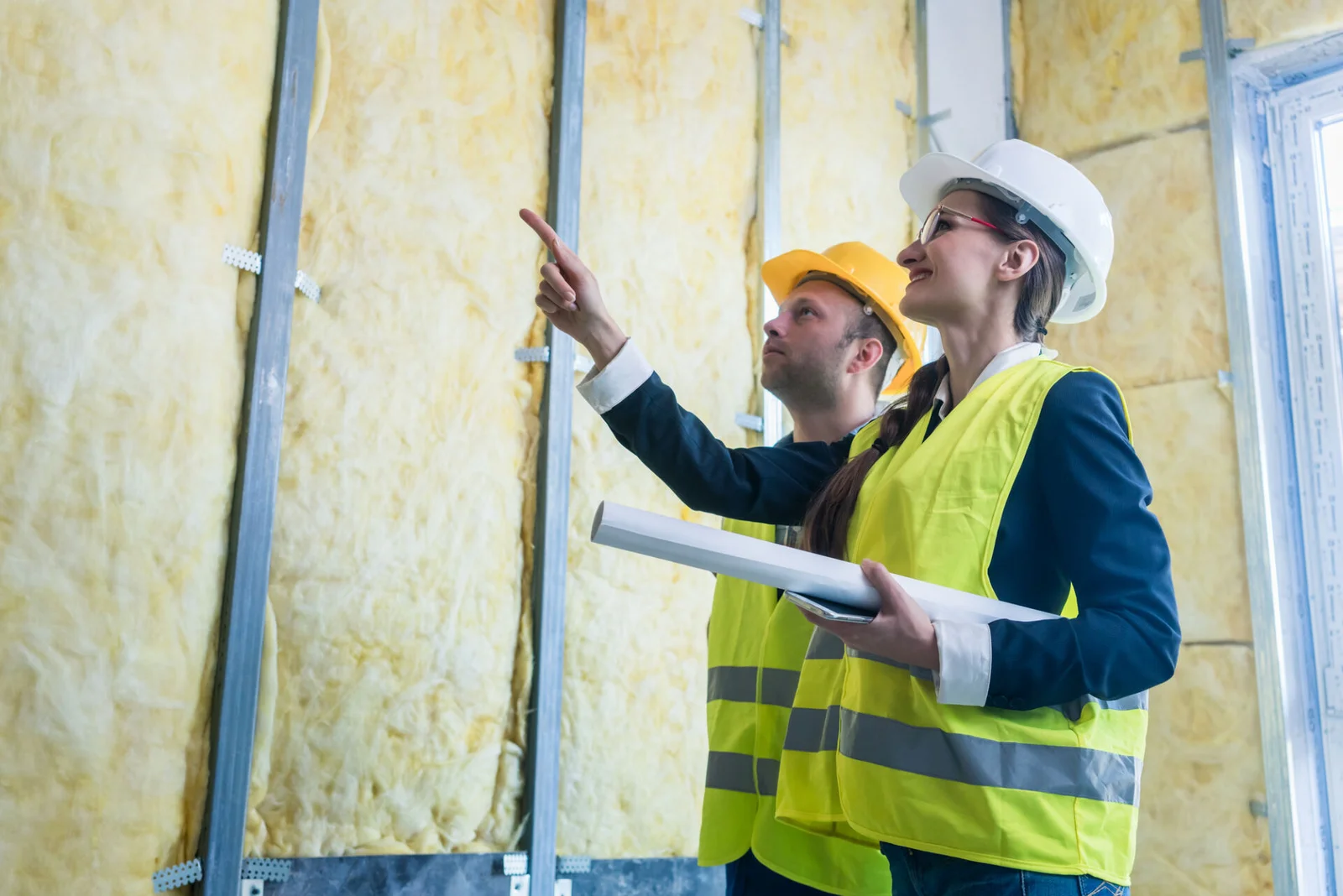
Inspect insulation and interior components with a focus on moisture control, ventilation performance, and professional documentation.
Topics include thermal insulation, vapor retarders, ventilation systems, and interior components such as walls, ceilings, floors, basements, doors, windows, stairs/railings, countertops, cabinets, and garage doors/openers.
Students practice identifying performance concerns and documenting findings in a clear, professional home inspection report under the guidance of a Licensed NJ Home Inspector.
Module Code: I-21-101-R
Inspect roofing systems with a focus on spotting common defects, verifying performance, and documenting safety concerns clearly.
Topics include roof coverings, drainage systems, flashing details, skylights, chimneys, and other roof penetrations.
Students learn how to evaluate roof conditions for performance and safety while reinforcing clear, professional home inspection report writing under the guidance of a Licensed NJ Home Inspector.
Module Code: I-21-101-Ex
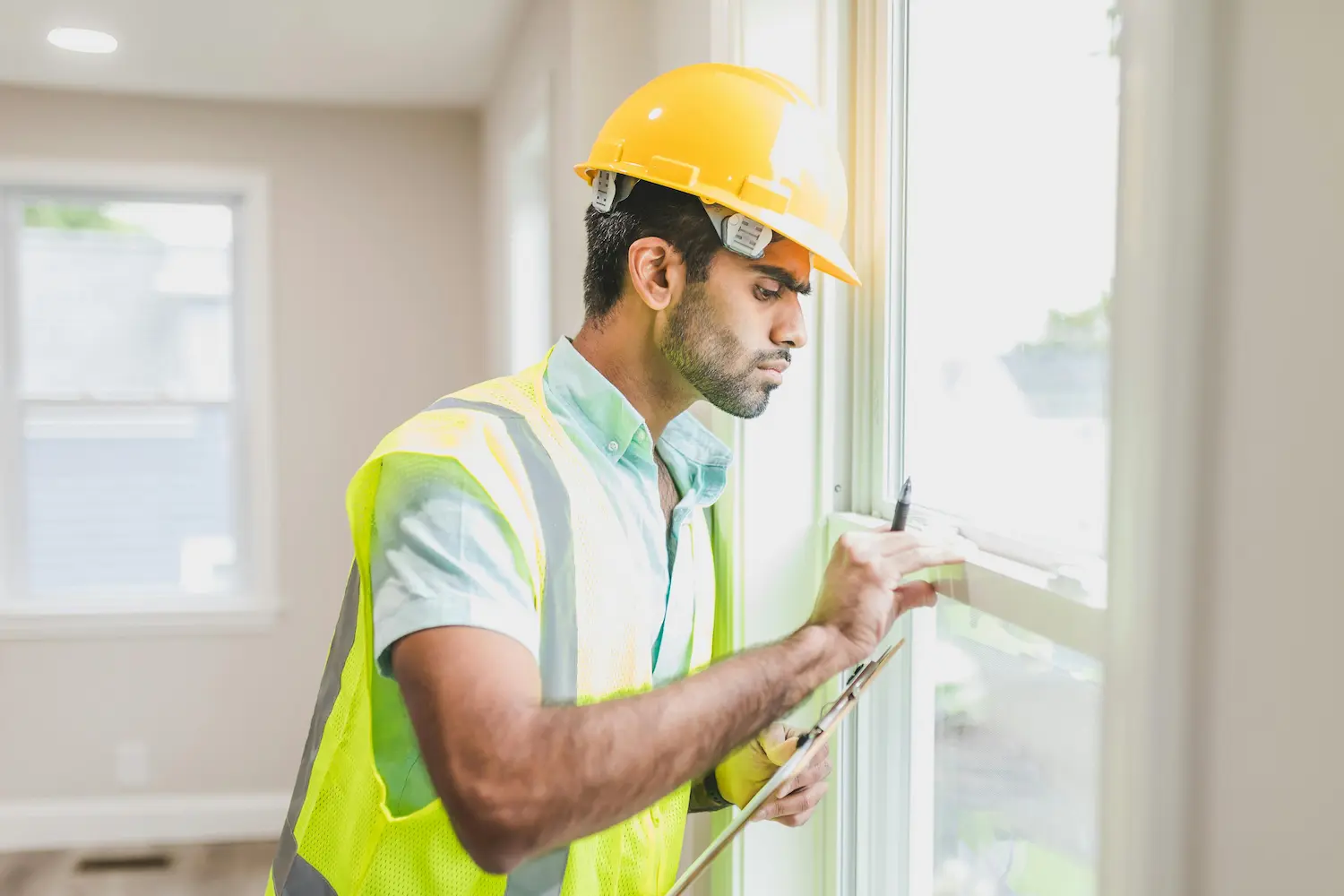
Inspect exterior components with a focus on condition, performance, safety, and clear documentation for the final report.
Topics include retaining walls, grading and drainage, driveways, patios, walkways, decks, balconies, porches, stoops/steps, railings, exterior wall coverings, flashing, trim, eaves, soffits, fascia, and exterior doors and windows.
Students learn how to describe exterior systems accurately and document findings in a clear, professional home inspection report under the guidance of a Licensed NJ Home Inspector.
Module Code: I-21-101-S
Inspect the structure of a home with a focus on performance, safety concerns, and documenting clear findings that matter.
Topics include foundations and footings, floors, walls, and roof and ceiling structures.
Students learn how to identify structural concerns, recognize conditions that may not meet accepted construction practices, and document results in a clear, professional home inspection report under the guidance of a Licensed NJ Home Inspector.
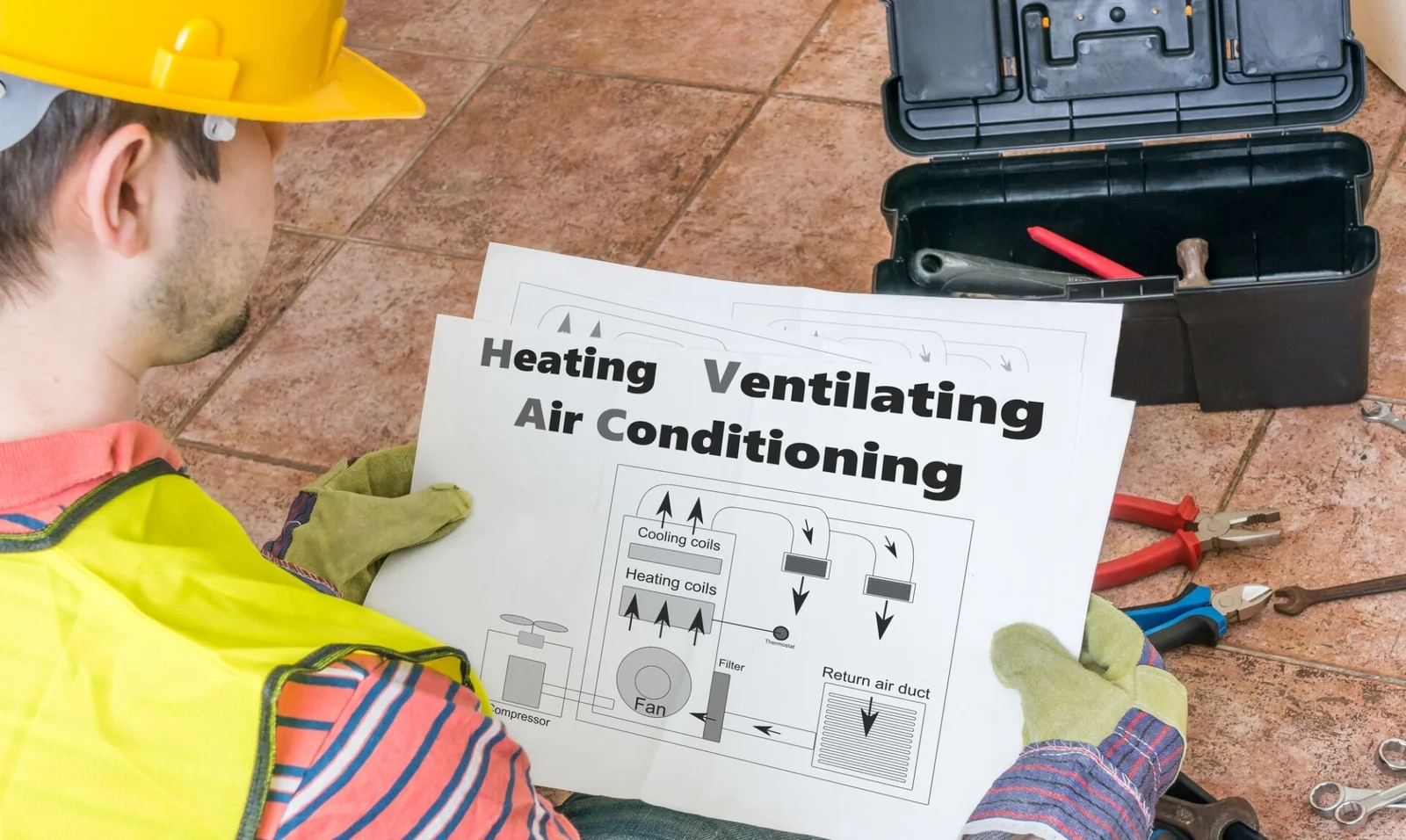
Mechanical Systems I focuses on residential heating and cooling systems commonly evaluated during a home inspection. Students learn how to evaluate system performance, identify safety concerns, and apply proper inspection techniques to HVAC systems while strengthening professional report writing standards.
Module Code: I-21-101-hvac-H1
Inspect common residential heating systems with a focus on equipment condition, safety, and proper documentation.
Topics include gas furnaces, oil furnaces, and hot water boiler systems. Students learn how to identify fuel sources, material types, system condition, and safety concerns while properly inspecting heating equipment.
Portions of this module are instructed by a Professional Heating Contractor. Emphasis is placed on clear, professional home inspection report writing under the guidance of a Licensed NJ Home Inspector.
Module Code: I-21-101-hvac-H2
Expand your heating inspection skills with venting, combustion byproducts, and additional heating system types.
Topics include vent systems, flues, chimneys, fireplaces, wood-burning appliances, steam systems, and electric heating systems.
Students apply system knowledge to real inspection scenarios. Portions of the module are instructed by a Professional Heating Contractor, with continued emphasis on accurate and professional home inspection report writing under the guidance of a Licensed NJ Home Inspector.
Module Code: I21-101-hvac-AC
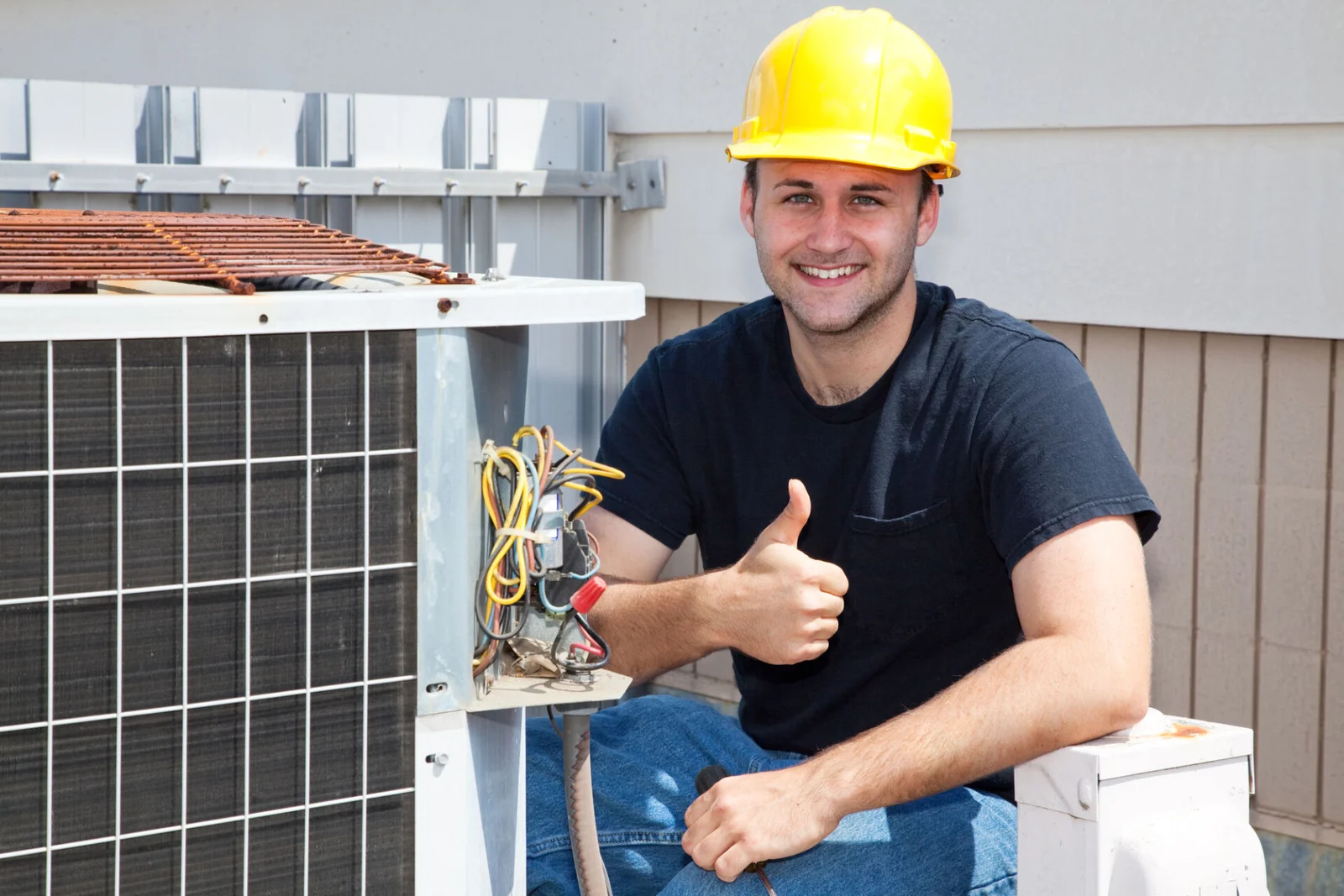
Inspect cooling systems and heat pumps with a focus on system performance, common defects, and safe operating practices.
Students learn how to evaluate air conditioning systems and heat pumps, identify common deficiencies, and apply correct inspection procedures.
Portions of this module are delivered by a trained HVAC Professional Contractor, with reinforced instruction in clear, professional home inspection report writing under the guidance of a Licensed NJ Home Inspector.
Mechanical Systems II focuses on plumbing and electrical systems found in residential properties. Students learn how to evaluate system operation, identify safety concerns, and apply practical inspection procedures while continuing to strengthen professional home inspection report writing standards.
Module Code: I-21-101-P
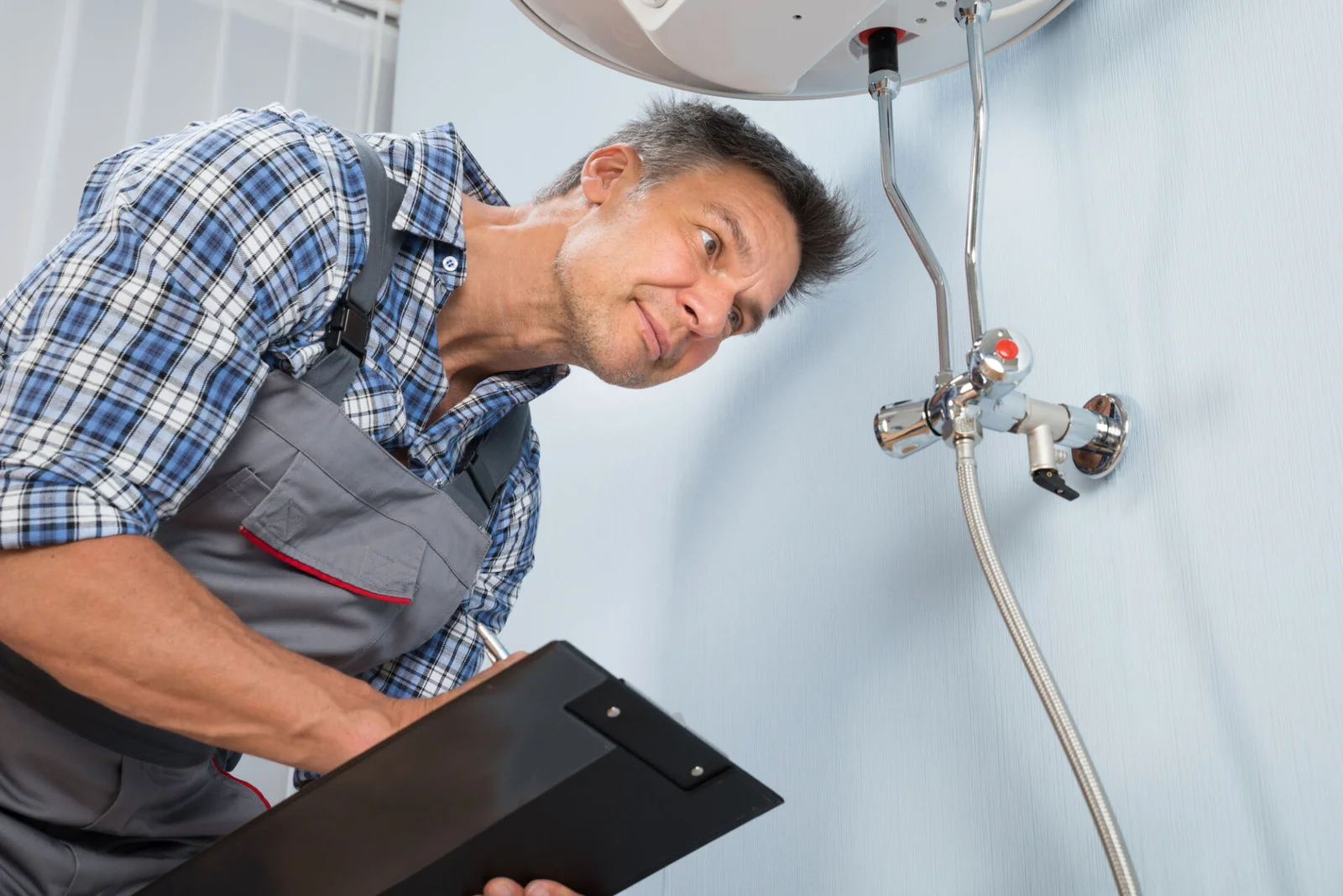
Inspect residential plumbing systems with a focus on water supply, drainage performance, and safety-related concerns.
Topics include interior water supply and distribution systems, fixtures and faucets, water heating equipment, and drain, waste, and vent (DWV) systems.
Students learn how to identify common plumbing concerns, evaluate system performance, and document findings clearly in a professional home inspection report.
Portions of this module are instructed by a Professional Contractor in the plumbing field, with continued emphasis on proper inspection techniques under the guidance of a Licensed NJ Home Inspector.
Module Code: I-21-101-E
Inspect residential electrical systems with a focus on safety, system performance, and accurate documentation.
Topics include service drops, grounding systems, service panels, wiring systems, devices, and fixtures.
Students learn how to identify electrical safety concerns and document findings clearly and professionally during a home inspection.
Parts of this module are instructed by a NJ Licensed Electrician with emphasis on safe inspection practices and proper reporting standards under the guidance of a Licensed NJ Home Inspector.
The Professional Practices module prepares students for the real-world responsibilities of working as a licensed home inspector in New Jersey. Training focuses on inspection reporting, client communication, legal considerations, and professional standards expected in the field.
Module Code: I-21-101-PP
Build the communication, documentation, and reporting habits used by working home inspectors in New Jersey.
Communication: How to explain the inspection process and findings clearly to clients, including limitations and next steps.
Report writing standards: Writing clear, consistent comments that document observable conditions and support referrals when appropriate.
Professional judgment: How to avoid overreaching beyond a home inspection’s scope while still protecting the client with accurate recommendations.
Professional conduct: Ethics, expectations, and field professionalism when working around clients, sellers, and agents.
Licensing readiness: How coursework, supervised field training, exam preparation (NHIE), and insurance requirements connect in the NJ licensing path.
After you complete the core curriculum, most students move on to supervised field training and (optionally) specialty certifications. Use the links below to plan your next step—or call Admissions and we’ll guide you.
Complete hands-on supervised inspections and meet the field training requirement with real properties and practical reporting.
Add skills and credentials like Radon, Termite, Mold, and Report Writing—great for expanding services and income.
Compare schedule formats like Contractor Express, Night-Owl Express, Weekend Hybrid, and Sunday Hybrid.
Not sure what you need? Call Admissions at (201) 457-1121 and we’ll point you to the right next step.
Pick a schedule that fits your availability—Admissions will confirm the best path and next steps.